
 By Francisco Javier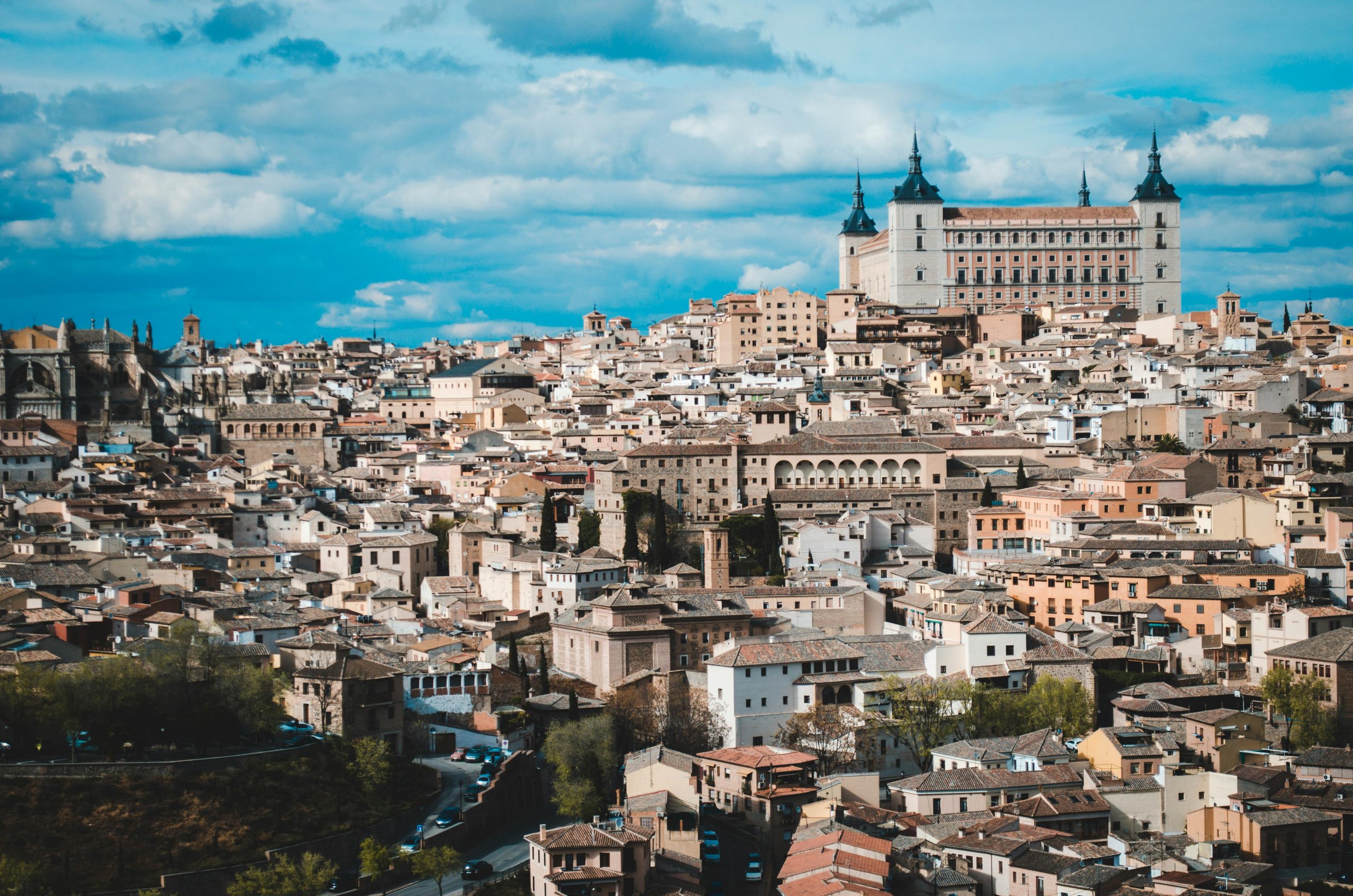
The city of Toledo, with its rich historical and cultural heritage, faces an important challenge: the restoration of its emblematic wall. This monument, which has resisted the test of time for centuries, is not only a testimony to the history of the city, but is also a crucial element in contemporary urban life. The task of repairing the scars left by time and human intervention requires a careful approach that combines conservation techniques with adaptation to the current needs of the population.
Toledo faces the challenge of restoring its historic wall
The Toledo wall, with its imposing stone walls and defensive towers, has witnessed countless historical events that have shaped the identity of the city. However, natural wear, inclemences of time and human interventions have left visible marks in this structure. The restoration of the wall not only involves fixing what is damaged, but also interpreting and preserving the original elements that make this wall a symbol of the Toledan history.
In 2021, Toledo City Council, in collaboration with heritage conservation experts, launched an ambitious project to restore the most damaged sections of the wall. This effort is based on a comprehensive diagnosis of its current state, including material analysis, damage assessment and a study of the urban environment surrounding the wall. The aim is to ensure that the restoration does not compromise the integrity of the structure or its historical value.
The wall is not only a monument, but also defines the urban landscape of Toledo. The restoration must therefore balance the preservation of history with the demands of a dynamic and modern environment. The intervention in the wall is done in a way that minimizes the impact on the daily life of the neighbors and visitors, allowing access and mobility in the surrounding areas.
In addition, this restoration project also has an educational and tourist component. The aim is to involve the local community in the process by raising awareness of the importance of heritage conservation. Through workshops, guided tours and cultural activities, Toledo becomes a dynamic space where history and modernity coexist and enrich each other.
Strategies to conserve heritage in urban life
The conservation of historical heritage in urban environments poses unique challenges that require careful planning. In the case of Toledo, various strategies have been implemented to ensure that the restoration of the wall is carried out effectively, respecting both the historical legacy and the needs of the present community. One of the most important approaches is the integration of modern technologies into restoration processes.
The use of advanced 3D scanning and modeling techniques has allowed conservatives to create precise digital replica of the wall. This not only facilitates the identification of areas that require intervention, but also provides a valuable tool for the visualization of the project prior to its implementation. These technologies also offer the possibility of documenting the anterior and posterior state of the wall, allowing for more effective monitoring of the interventions made.
Another important strategy is collaboration with academic institutions and conservation experts. These partnerships allow for the incorporation of sustainable expertise and practices in the restoration process. For example, studies have been conducted on the types of mortar and materials that were originally used in the construction of the wall, which guides the choice of products to be used in the restoration.
In addition, active community participation in heritage conservation is being encouraged. Through voluntary programmes and cleaning and maintenance days, Toledo citizens have the opportunity to be directly involved in protecting their historical legacy. This participation not only strengthens the sense of belonging, but also creates a collective commitment to the preservation of heritage.
Challenges and achievements in the rehabilitation of historical scars
Despite the efforts and strategies implemented, the rehabilitation of the Toledo wall is not without challenges. Intervention in a monument with such historical significance requires a careful approach that respects its integrity. One of the most significant challenges is the need to balance traditional and innovative restoration techniques, avoiding the creation of an "outdoor museum" that does not reflect the current life of the city.
Coordination between different entities, such as the City Council, conservation organizations and the local community, also presents a challenge. Effective communication and joint planning are essential to ensure that all aspects of the project are aligned. The lack of consensus or disagreements on the direction of the project may lead to delays and complications in the implementation of the works.
Despite these difficulties, the restoration of the wall has achieved significant milestones. So far, rehabilitation sections have been completed that have not only restored the structure, but also improved the surrounding environment. These achievements are celebrated not only as victories in heritage conservation, but also as opportunities to revitalize areas of the city that had been neglected.
The involvement of the community and the recognition of the importance of the wall in the Toledan identity have resulted in greater public support for restoration initiatives. This has allowed the project to focus not only on the recovery of a monument, but also on the creation of a space where history, culture and urban life are intertwined in an integral experience for all citizens.
The restoration of the Toledo wall is an example of how history can be preserved in a dynamic urban environment. As rehabilitation work advances, the importance of integrating history with contemporary life is highlighted, ensuring that future generations can enjoy and learn from this valuable heritage. Collaboration between the authorities, experts and the local community will be key to continue to face the challenges posed by this noble task, ensuring the preservation of a legacy that is no doubt a fundamental pillar of Toledo's identity.

