
 By Francisco Javier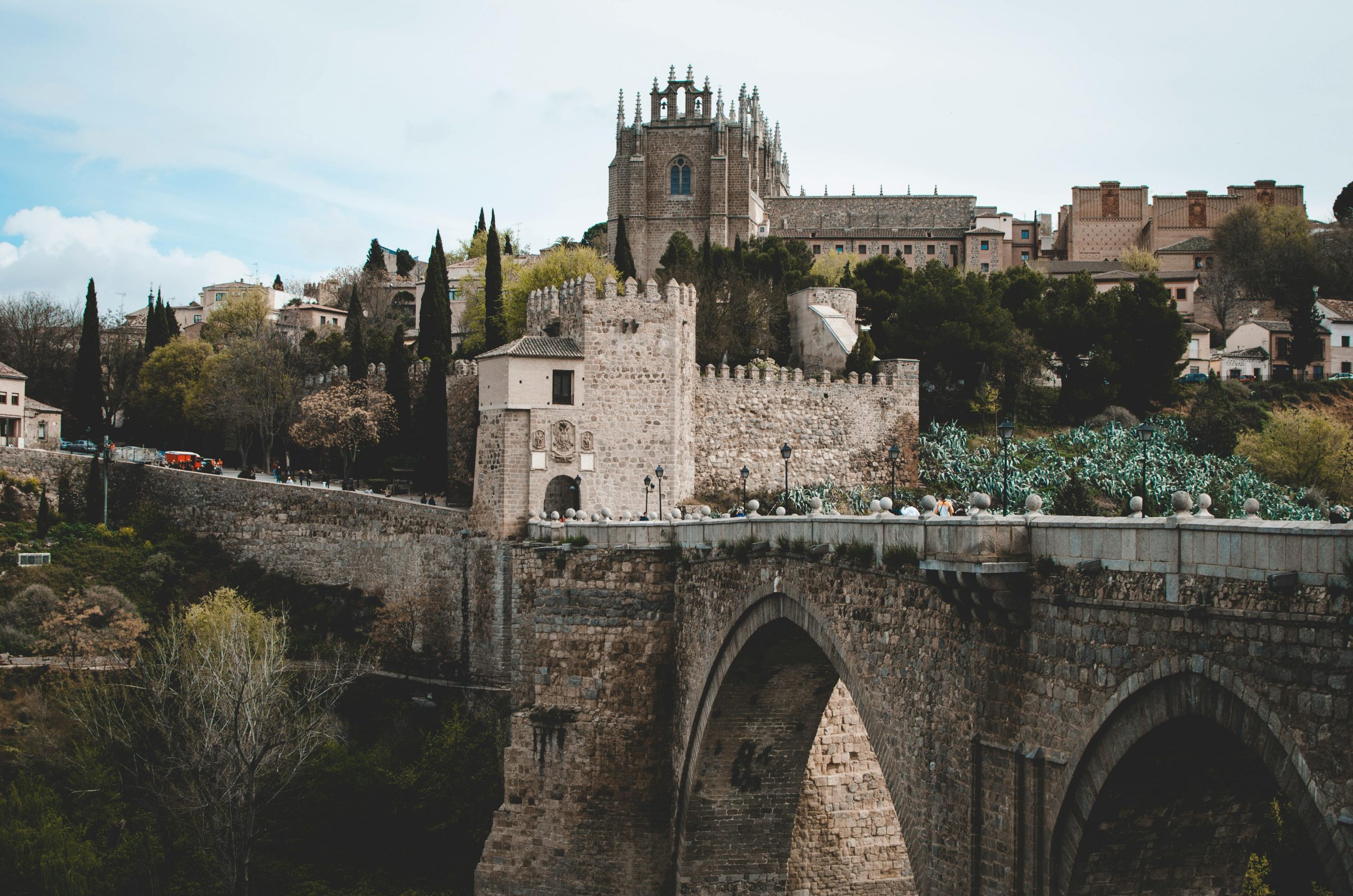
Toledo, one of the most emblematic cities in Spain, is known for its rich history and impressive architectural heritage. Among the jewels that adorn the city is its old wall, a testimony of centuries of history that has resisted the passage of time. Recently, significant efforts have been made to restore and repair these structures, not only to preserve their integrity, but also to find a balance between modern urban life and the preservation of their historical legacy. This article explores the challenges that Toledo faces in this restoration process, the importance of its urban heritage and the strategies that are being implemented to integrate history with contemporary life.
Toledo: restoration of its historical wall and challenges
The Toledo wall, mostly built during the Visigoda period, has undergone various transformations over the centuries. The restoration of these structures involves not only the repair of visible damage, such as cracks and erosions, but also a thorough study of the original materials and the constructive techniques used in their construction. This process requires the collaboration of architects, historians and heritage experts, who work together to ensure that restoration is as faithful as possible to the original.
One of the main challenges Toledo faces in restoring its wall is funding. The preservation of such an extensive and old heritage requires considerable investment, and the funds available are often insufficient. Local governments, together with the national government and the European Union, are seeking innovative financial solutions that will allow not only the restoration, but also the continuous maintenance of the walls and other elements of the city's heritage.
In addition to funding, the logistics of restoration presents significant challenges. The wall is in a dense urban environment, where the traffic and daily life of citizens can complicate the restoration works. It is therefore essential to carefully plan interventions to minimize the impact on the daily life of the Toledans and on tourism activity, which is vital for the local economy.
Finally, the challenge of restoration also involves a social component. It is essential to involve the community in the process, promoting awareness of the importance of cultural heritage. The citizens of Toledo must feel part of the history of these walls, which can foster a sense of belonging and responsibility in the preservation of their legacy.
The importance of conserving the millennial urban heritage
The conservation of urban heritage, especially in cities like Toledo, goes beyond aesthetics; it is an act of respect for the history and generations that preceded us. The wall of Toledo is not only a defensive structure, but a symbol of the cultural identity of the city. Each stone tells a story, and its preservation allows future generations to understand their past and learn from it.
From an economic point of view, the preservation of the historical heritage has a positive impact on tourism. Toledo attracts millions of visitors every year, interested in its rich history and emblematic monuments. The restoration of the wall not only improves the visitor's experience, but also creates opportunities for local economic development, generating jobs in the tourism and restoration sector.
The conservation of the urban heritage also contributes to environmental sustainability. The rehabilitation of historical structures is often more sustainable than the construction of new buildings, as it reduces the need for new resources and minimizes environmental impact. Integrating history into the modern urban fabric also promotes a more balanced and environment-friendly development.
Finally, preserving cultural heritage promotes diversity. The Toledo wall is an example of the encounter of different cultures and traditions that have left their mark on the city. Keeping this cultural heritage alive is not only crucial to local identity, but also enriches the cultural landscape of the country as a whole, promoting a more inclusive and plural society.
Strategies to integrate history and contemporary life
To achieve a balance between the conservation of the wall and urban life, strategies are being developed that integrate history into the daily life of the Toledans. One of these strategies is the creation of public spaces around the walls that allow citizens and visitors to enjoy their surroundings. These spaces not only embellish the city, but also promote social and cultural interaction, making the walls a meeting point.
In addition, cultural and educational events are being organized to raise public awareness of the importance of the heritage. Workshops, guided tours and exhibitions are some of the initiatives being implemented to promote interest in the history of Toledo and its wall. Involving schools and universities in these projects can help to cultivate a new generation of heritage advocates.
Technology also plays a crucial role in the integration of contemporary history and life. The increased reality, for example, allows visitors to experience the Toledo wall in an interactive way, providing historical and cultural information through their mobile devices. This fusion of technology and heritage can make history more accessible and attractive, especially for younger generations.
Finally, collaboration between different sectors, such as government, the local community and the private sector, is essential for the success of these strategies. The creation of a multidisciplinary approach that includes architects, urbanists, historians and citizens can facilitate the development of plans that not only preserve the wall, but also enrich contemporary urban life. Thus, Toledo can remain a place where history and modernity coexist in harmony.
The restoration of the Toledo wall is a challenge that reflects the complexity of preserving a heritage that has lasted over the centuries. The importance of this effort lies not only in the physical preservation of the wall, but also in the role it plays in the cultural identity, tourism and sustainability of the city. Through innovative strategies that integrate history into contemporary life, Toledo can remain a living witness to its rich past, while adapting to the needs of the present and the future. The wall is not just a monument; it is a link between generations, a reminder of shared history and a symbol of the resilience of the Toledan community.

