
 By Francisco Javier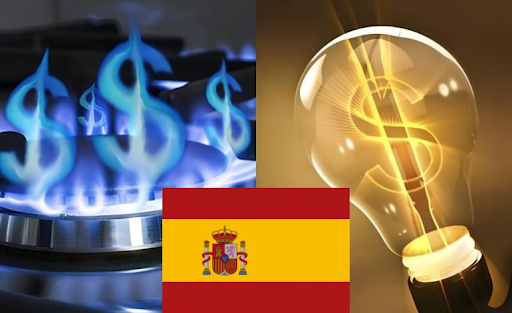
In the midst of an economic context marked by the post-energy crisis recovery, the Government of Spain has implemented a number of measures to mitigate the impact of price increases on electricity and gas. Although electricity VAT returns to 21% in 2025, which means an increase in bills, protections such as social bond and the prohibition of supply cuts for vulnerable households are maintained and extended. In addition, a National Energy Poverty Strategy 2025-2030 is being developed to move towards sustainable structural solutions. These actions aim to balance fiscal standardisation with the protection of the most affected consumers, in a year where wholesale prices have shown volatility.
Specific measures for electricity
The Government has extended the «social shield» to cushion the increase of light. One of the main actions is the extension of the ban on the interruption of electricity supply for vulnerable, vulnerable or at risk of social exclusion, in force throughout 2025. This includes non-contract holders who can prove their situation by certification of social services.
With regard to the social electric bond, high discounts are maintained, although with a gradual reduction to adapt to price stabilization:
- From 1 January to 31 March 2025: 50% for the vulnerable and 65% for the vulnerable.
- From 1 April to 30 June: 42.5% and 57.5%, respectively.
- From 1 July: 35% and 50%, on an indefinite basis, exceeding pre-crisis levels (25% and 40%).
In addition, to stabilize regulated tariffs (PVPC), the weight of references to long-term futures markets is increased from 25% in 2025 to 40% in 2025, reducing the dependence on daily fluctuations in the wholesale market and mitigating price peaks.
Measures for Natural Gas
For gas, the ban on supply cuts is extended throughout 2025, similar to that of electricity. The thermal social bonus is maintained as direct aid to cover heating, hot water and kitchen costs, automatically benefiting those already receiving the social electric bonus, without additional request.
The Last Resource Rate (TUR) of gas becomes indefinite for communities of owners and energy service companies, ensuring an accessible regulated price. Although gas prices have increased by 12.30 per cent in January 2025 over the previous quarter, these measures seek to protect vulnerable households.
Long-term strategy: Towards structural measures
The Ministry for the Ecological Transition and the Demographic Challenge has initiated public consultation for the second National Strategy against Energy Poverty (ENPE) 2025-2030, which seeks to move from short-term to structural measures. The proposals include improving energy efficiency in housing, increasing the beneficiaries of the social bond, implementing a minimum vital supply and information campaigns for citizens. Coordination between administrations and the involvement of the private sector and the third sector is emphasized in order to reduce energy poverty permanently, adapting to a more decarbonized and crisis-resilient system such as that in Ukraine.
This strategy addresses increased costs through investments in energy rehabilitation and the promotion of renewable energy, which have contributed to the reduction of wholesale prices in months as of May 2025.
Conclusion
Although 2025 brings challenges such as the increase in VAT and adjustments in subsidies, the Government is committed to a balanced approach: immediate protection for vulnerable and a long-term vision for preventing future crises. These measures, part of the extended social shield, seek to minimize the impact on families while taxation is normalized. However, experts warn that success will depend on effective implementation and price monitoring.
Sources of Information
- SotySolar: Why does the price of light rise in Spain? Guide 2025
- OCU: The price of light is fired in summer
- The Journal: So remains the receipt of the light in 2025: raise the VAT and lower the social bonus discounts
- El País: The strong fall in the wholesale price of light reduces the impact by the blackout

