
 Por Francisco Javier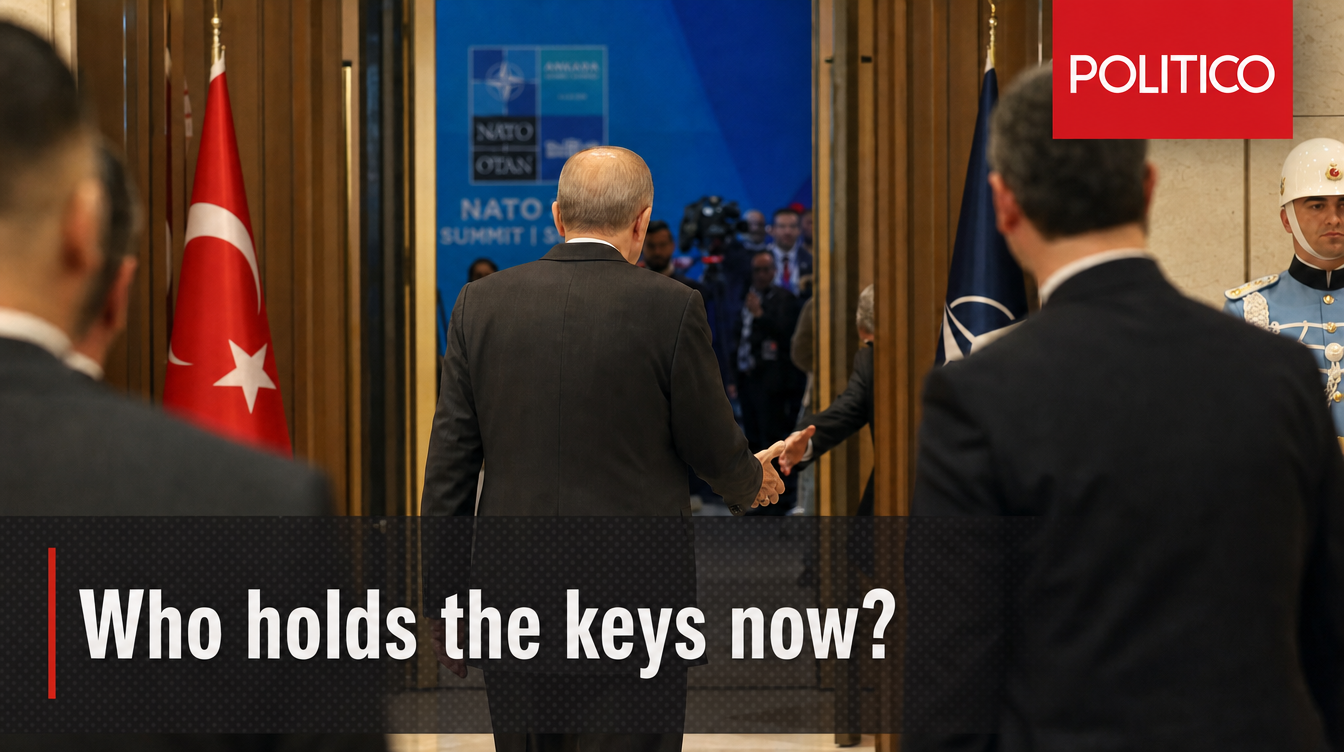
The NATO Summit held in Ankara on 7–8 July 2026 marked an important moment for the Alliance. Leaders of NATO’s 32 member states gathered in Türkiye to discuss collective security, military investment, technological development and continued support for Ukraine.
One of the summit’s central outcomes was the reaffirmation of NATO’s commitment to Article 5 of the Washington Treaty. This principle states that an attack against one member of the Alliance is considered an attack against all. NATO leaders described this commitment as “ironclad,” sending a clear message about the unity of the Alliance amid growing international tensions.
The summit also placed significant emphasis on strengthening Europe’s role in collective defence. European NATO members and Canada are expected to assume greater responsibility while continuing their cooperation with the United States. According to NATO, these countries increased their investments in core defence requirements by more than $139 billion in 2025. Allies also announced over $50 billion in new military procurement and agreed to expand defence manufacturing capacity. NATO’s official Ankara Summit Declaration
Another major topic was the modernisation of NATO’s military capabilities. The Alliance plans to invest in precision-strike weapons, integrated air and missile defence, unmanned systems, intelligence technologies, cybersecurity and artificial intelligence. NATO members also committed more than $40 billion over the next five years to counter-drone capabilities.
Support for Ukraine remained one of the summit’s key priorities. NATO members pledged €70 billion in military equipment, assistance and training for Ukraine in 2026. They also expressed their intention to maintain at least an equivalent level of assistance in 2027. The declaration reaffirmed support for Ukraine’s sovereignty, territorial integrity and right to defend itself against Russian aggression.
For Ukraine, these decisions are particularly important because they make military support more predictable and sustainable. The commitments cover not only weapons but also training, technological cooperation and long-term security assistance. European allies and Canada now finance the majority of NATO members’ security support for Ukraine.
The Ankara Summit also addressed broader international challenges. NATO identified Russia as a long-term threat to Euro-Atlantic security and highlighted the dangers posed by terrorism, hybrid attacks and political instability. Leaders additionally stated that Iran must not obtain a nuclear weapon and called for freedom of navigation in the Strait of Hormuz.
Türkiye’s role as the host carried symbolic and strategic importance. Located between Europe, the Middle East and the Black Sea region, the country occupies a critical position within NATO. The summit demonstrated Ankara’s growing influence in discussions concerning European security, regional conflicts and the Alliance’s southern borders.
Overall, the Ankara Summit showed that NATO is undergoing a gradual transformation. European members are taking on more responsibility, defence production is expanding and new technologies are becoming increasingly important. At the same time, continued support for Ukraine remains central to the Alliance’s security strategy.
The decisions made in Ankara will now need to be translated into real military capabilities, industrial production and sustained financial commitments. Their implementation will determine whether NATO can remain united and effectively respond to rapidly changing security threats. NATO Summit overview