
 Por Francisco Javier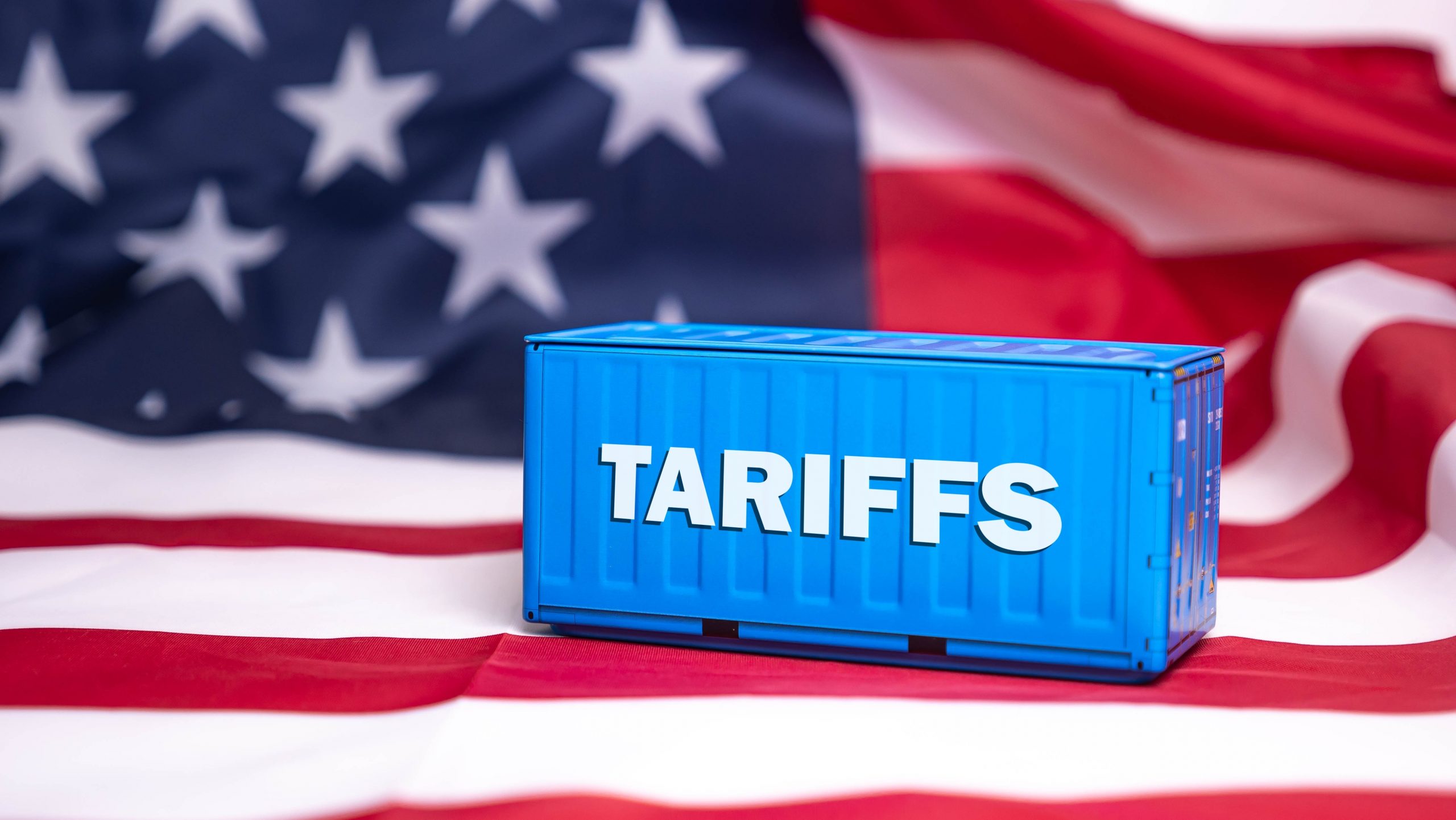
In 2026, global trade is experiencing renewed friction as the United States has significantly increased tariffs on goods from Europe and other global partners. These moves have sparked intense debate among economists, business leaders, and policymakers about protectionism, strategic trade policy, and long-term economic consequences.
New tariff rhetoric — particularly threats to raise duties on European nations over geopolitical disputes such as access to Greenland — has destabilized markets and stalled efforts to finalize new trade agreements between the U.S. and EU. (Reuters)
Why Have U.S. Tariffs Increased?
1. Reducing Trade Deficits and Protecting Domestic Industry
One of the core stated motivations for higher tariffs is the U.S. desire to reduce persistent trade deficits with major trading partners. Historically, the United States has imported far more from Europe than it exported, particularly in high-value manufactured goods like automobiles, machinery, and chemicals. (euronews)
By imposing tariffs, the U.S. seeks to:
- Make imported goods more expensive relative to domestic products
- Encourage firms to locate production within U.S. borders
- Strengthen jobs in sectors that face strong foreign competition
Supporters of this approach argue that tariffs can act as a tool for industrial policy and job protection.
However, economists generally warn that tariffs are essentially a tax — increases in import duties often translate into higher prices for U.S. consumers and producers that rely on imported inputs. Recent analysis suggests that tariffs could raise food prices on goods such as coffee and fish for American families. (taxfoundation.org)
2. Geopolitical Signaling and Foreign Policy Leverage
Another driver of tariff increases has been geopolitical disputes. For example, President Trump’s threats to impose tariffs on European allies over Greenland illustrate how trade policy has become intertwined with foreign policy objectives — even with traditional allies. (Reuters)
Tariffs in this context serve as a form of economic coercion: by imposing duties, Washington attempts to influence other governments’ decisions on strategic matters. This approach, however, has been criticized for risking retaliation and broader trade instability.
Impacts on Europe
1. Trade Flow Disruptions
Europe remains one of the United States’ largest trading partners, with total EU exports to the U.S. worth hundreds of billions of euros annually in prior years. Structural tariffs on European goods would make European products more expensive in the U.S., reducing demand and export volumes. (euronews)
Higher tariffs threaten export-dependent industries such as:
- Automotive manufacturing
- Chemicals and pharmaceuticals
- Machinery and equipment
Germany, Europe’s largest industrial economy, warned that tariff increases could sharply reduce exports to the U.S., potentially shrinking output in key sectors. (Eurointegration)
2. Retaliation and Countermeasures
In response to U.S. tariff threats, the European Union has prepared its own counter-tariff measures targeting U.S. products — including whiskey, denim, and motorcycles — valued at tens of billions of euros. These countermeasures are designed to create leverage for negotiations but also risk escalating a broader trade conflict. (Eurointegration)
Economic forecasts suggest that prolonged tariff conflict could:
- Reduce European GDP growth
- Increase uncertainty in supply chains
- Slow investment as firms delay decisions amid trade risk
Europe has also sought to hold negotiations with Washington to avoid worst-case outcomes. (Eurointegration)
Global Economic and Market Consequences
1. Inflation and Supply Chain Shocks
Tariffs often act like a hidden tax — increasing the cost of imported goods and inputs. As a result, global supply chains can face cascading effects:
- Higher input costs for manufacturers
- Inflationary pressures on consumer prices
- Substitution toward more expensive domestic or third-country suppliers
This can be particularly damaging in sectors with complex supply chains, such as electronics and autos.
2. Impact on Global Growth
Analysts warn that tariff escalation between economic superpowers could dampen global growth. In extreme scenarios, high duties could reduce eurozone GDP by more than 1% and slow growth globally, especially if conflict spreads beyond Europe to other trading partners. (euronews)
Broader Geopolitical Implications
Tariff conflicts in 2026 are part of a larger shift in global economic policy — where trade policy intersects with national security, technological competition, and supply chain sovereignty.
European leaders — while committed to transatlantic cooperation — are increasingly talking about strategic autonomy, pushing back against U.S. protectionism and emphasizing a more balanced partnership. At the 2026 Munich Security Conference, European officials made clear they seek to diversify defense and economic ties in response to unpredictable U.S. policy direction. (Reuters)
How Businesses Are Responding
In the face of tariff risk, many companies are adjusting their strategies:
- Diversifying supply chains — looking toward Asia, Latin America, and intra-European markets
- Shifting production to preferential trade regions
- Rebalancing export portfolios to mitigate reliance on U.S. demand
These adaptations are part of a broader trend where firms reduce exposure to tariff volatility.
Negotiation and Outlook
Despite tensions, diplomatic channels remain open. European Commission officials have repeatedly emphasized the importance of negotiation and trade dialogue with the United States to avoid harmful escalation. (Eurointegration)
The outcome of tariff and trade negotiations in 2026 will likely shape the trajectory of global trade for years to come — either moving toward long-term frameworks that facilitate cooperation or toward fragmented markets with higher trade barriers.
Final Thoughts
The spike in U.S. tariffs in 2026 reflects a mix of economic strategy, geopolitical positioning, and domestic politics. While tariffs may provide short-term protection or leverage, the risks include higher costs for consumers, disrupted supply chains, and slower global growth. For Europe and the wider world, navigating these challenges will require diplomatic finesse, economic adaptation, and a careful balance between cooperation and protection.
Sources
News:
- Trump vows tariffs on European allies over Greenland — Reuters. (Reuters)
- European Parliament suspends tariff deal approval — Reddit reporting. (Reddit)
- Trump tariffs could hit Europe’s growth — Euronews analysis. (euronews)
- EU prepares counter-tariffs — RBC and Eurointegration. (Eurointegration)
- EU hopes for constructive US talks — Eurointegration. (Eurointegration)
- European leaders push strategic autonomy — Reuters. (Reuters)
Academic & Analysis:
- Trade conflict impact on employment & exports — arXiv. (arxiv.org)
If you want, I can also adapt this into:
- Reddit format discussion
- Outbrain ad copy versions
- Economic forecast with charts and projections

